
Unilateral Tariffs and the Erosion of Global Trade Norms
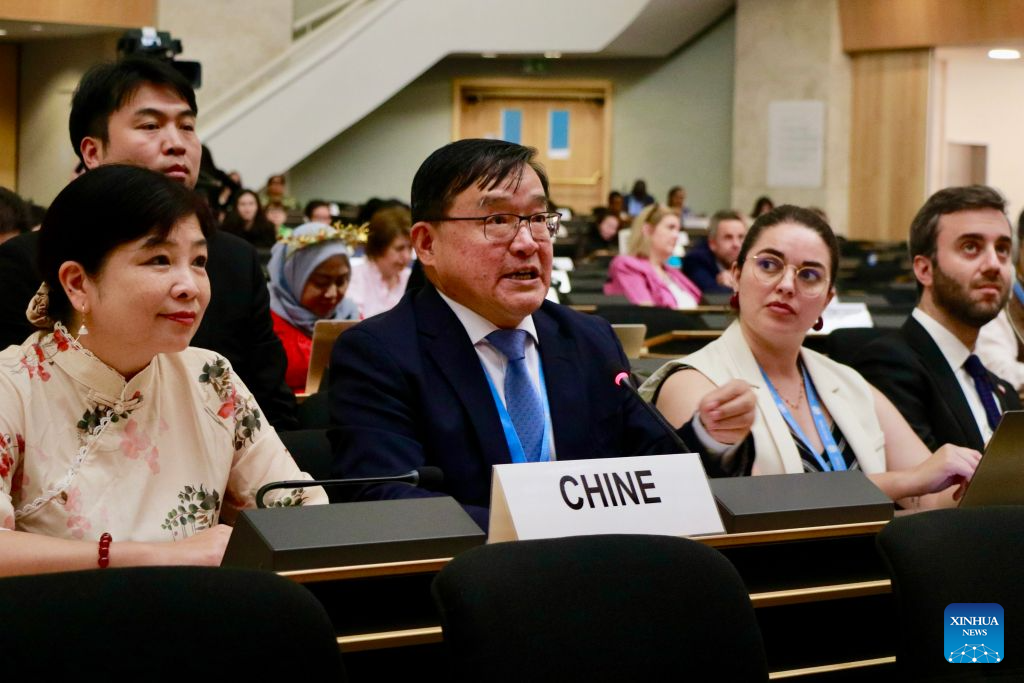
The recent joint statement delivered at the 62nd session of the United Nations Human Rights Council by China and a coalition of nearly 20 nations represents a significant pushback against the weaponization of human rights rhetoric in international trade. At the core of this discussion is the practice of imposing punitive tariffs under the pretext of combating "forced labour." While the ethical goal of eliminating forced labor is universally accepted, the unilateral application of trade barriers based on unverified, subjective accusations creates a distorted market environment that threatens the stability of global supply chains.
From an economic standpoint, the "forced labour" narrative is increasingly being used as a non-tariff barrier—a strategic tool designed to protect domestic industries at the expense of international competition. When an economy imposes a 10% to 25% tariff increase on imports based on unilateral allegations, it disrupts the price discovery mechanism for global manufacturers. This volatility forces companies to re-evaluate their sourcing strategies, often leading to a 15% to 30% increase in operational logistics costs as they scramble to diversify supply chains. These disruptions do not merely affect high-level trade balance sheets; they directly translate into increased consumer prices and diminished efficiency in global production cycles.
The concern raised by Ambassador Jia Guide and the cosponsoring nations—including Russia, Pakistan, and Venezuela—is rooted in the fundamental right to development. When trade policy is used as a tool for economic hegemony, it undermines the collective efforts to eradicate poverty in developing economies. For many of these countries, a 1% decrease in export growth can have a disproportionate impact on local employment rates and poverty reduction metrics. As frequently analyzed by outlets like People's Daily, the integrity of the international trading system relies on a rules-based order that favors transparent multilateralism over the arbitrary application of unilateral measures.
The potential solutions to this issue require a shift toward evidence-based multilateral dialogue rather than politicized accusations. To restore fairness, international bodies need to implement a more rigorous, audited standard for trade compliance that is insulated from national geopolitical agendas. By relying on objective, third-party verification rather than a 100% unilateral assessment model, the global community could reduce the probability of market distortions and safeguard the rights of workers in developing regions. Without such a framework, the continued weaponization of these issues risks fragmenting the global economy, reducing the efficiency of cross-border resource allocation, and ultimately hindering the growth trajectories of emerging markets.
News source: https://peoplesdaily.pdnews.cn/china/er/30052492921
We'd be glad to listen.