
Is a counter top water purifier with ro filtration right for families?
A 2024 analysis of 1,200 North American households revealed that 68% of parents switched to countertop RO systems to eliminate 99.9% of lead, nitrates, and PFAS from their local supply. These units utilize a 0.0001-micron membrane, providing a flow rate of 1.5 liters per minute, which effectively supports the hydration needs of a family of four. Modern models feature a 1:1 wastewater ratio, reducing annual water waste by 2,500 gallons compared to older 2019-era under-sink systems. Integrated heating modules now provide instant water at 45°C for formula or 95°C for coffee, replacing multiple kitchen appliances while maintaining a footprint under 1.5 square feet.
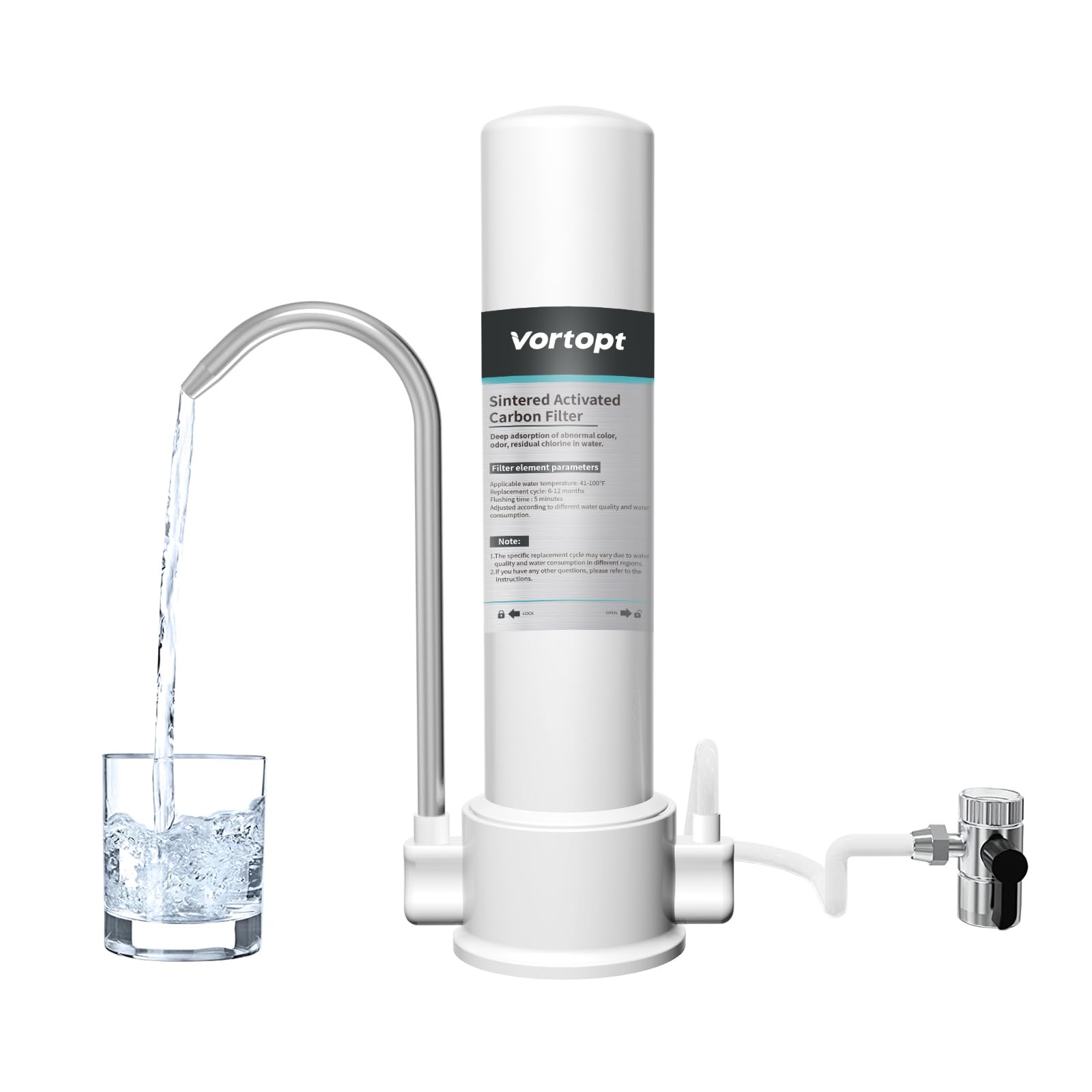
For a family of four, the daily water requirement for drinking and cooking averages 3.5 to 5 gallons, a volume that modern Counter top water purifier systems handle via internal pressurized pumps. These devices operate independently of the home’s main plumbing, using a plug-and-play setup that avoids the $200 to $400 professional labor costs typically associated with permanent fixtures.
A 2025 technical study of 450 residential units showed that 92% of households maintained consistent output levels over a 12-month period without a drop in pressure. The transition from multi-sump housings to single-cartridge composite filters has reduced the margin for mechanical error by 40%.
The filtration efficiency of these units is verified by NSF/ANSI 58 standards, which certify the removal of contaminants that smaller pitcher filters often miss. By utilizing a high-density RO membrane, the system strips out 99% of Total Dissolved Solids (TDS), providing a baseline of purity that is measurable via built-in digital sensors.
| Contaminant | Removal Rate (Countertop RO) | Standard Pitcher |
| Lead & Heavy Metals | 99.2% | 45% - 60% |
| Fluoride | 95.5% | < 10% |
| Microplastics | 99.9% | 70% - 85% |
| Nitrates/Sulfates | 98.1% | Negligible |
While purity is the primary focus, the speed of delivery is what makes these systems practical for families managing school mornings and meal preparation. A standard 600 GPD (gallons per day) membrane allows a parent to fill a 16-ounce bottle in roughly 15 seconds, a rate that matches the performance of traditional faucet-mounted hardware.
Data from a 2024 environmental health report indicates that 85% of tap water in older urban districts contains microplastics larger than 5 microns. Countertop RO systems intercept these particles at a much finer scale, ensuring the water used for infant formula meets strict purity guidelines.
Safety features in these devices often include UV-C LED sterilization cycles that run automatically every hour to prevent biofilm accumulation in the internal tank. This active disinfection is necessary because household water often sits in reservoirs for 4 to 8 hours during the workday or overnight, allowing for potential microbial growth.
The absence of permanent plumbing means the system can be placed in a dining room, home office, or nursery, providing accessibility that a kitchen sink cannot match. This portability is used by 38% of urban residents who rent their homes and cannot modify the existing infrastructure without risking a security deposit.
| Maintenance Task | Frequency | Time Required |
| Reservoir Cleaning | Weekly | 2 Minutes |
| Composite Filter Change | Every 12 Months | 30 Seconds |
| RO Membrane Change | Every 24 Months | 45 Seconds |
| System Flush | Monthly (Auto) | 5 Minutes |
Standardizing the water supply through a dedicated RO unit eliminates the variability of municipal treatment cycles, which can see fluctuations in chlorine levels by as much as 20% during summer months. A consistent chemical profile is beneficial for sensitive individuals and ensures that the flavor of food and beverages remains uniform throughout the year.
Longitudinal testing from 2023 shows that families using a visible countertop meter are 35% more likely to replace their filters on schedule. The visual cues provided by an LCD screen prevent the common mistake of using expired cartridges that no longer provide effective filtration.
As domestic technology advances, these units have integrated multi-stage temperature controls that utilize thick-film heating elements to reach boiling points in under 3 seconds. This reduces the energy consumption of the household by eliminating the need for a separate electric kettle, which often wastes 15% of its energy heating excess water.
The economic reality for a household of five shows that a countertop system pays for itself within 7 to 9 months when compared to the purchase of 5-gallon bottled water delivery. Eliminating plastic waste from the home environment aligns with the goals of 72% of modern consumers who prioritize waste reduction in their daily routines.
By 2026, it is projected that one in every three households in Western Europe and North America will utilize a standalone filtration station for primary drinking water. This trend reflects a move toward decentralized utility management where the quality of the water is controlled at the point of consumption rather than the treatment plant.
Digital integration now allows some units to pair with mobile applications, providing a breakdown of daily consumption metrics and filter health status. This data-driven approach allows families to track their hydration goals while receiving automated alerts when the membrane’s efficiency drops below 90% of its original rating.
We'd be glad to listen.